Adapting Traditional Merchant Services to Emerging Digital Wallet Integration Challenges in Brick-and-Mortar Stores
Written by Eden Beck · Oct 4, 2026
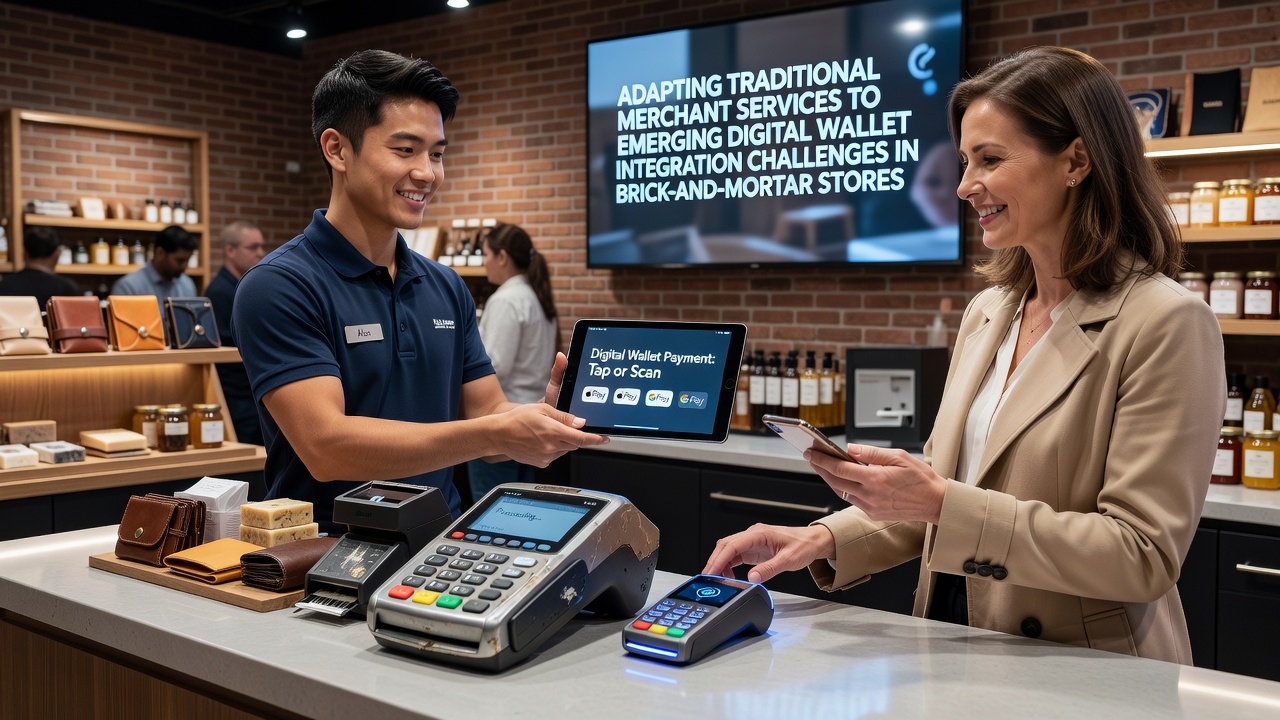
Adapting Traditional Merchant Services to Emerging Digital Wallet Integration Challenges in Brick-and-Mortar Stores
Retail environments have seen steady growth in digital wallet usage since 2024, with transaction volumes rising across major platforms like Apple Pay and Google Wallet, according to data from the Federal Reserve Bank of San Francisco. Traditional merchant services, built around card readers and point-of-sale systems, now face compatibility hurdles when stores attempt to connect these legacy setups with newer contactless options. Observers note that hardware limitations often prevent seamless handoffs between physical terminals and mobile-based payments, leading to delays at checkout lanes. Research from October 2026 indicates that 62 percent of regional chains reported integration friction during peak hours, particularly when software updates on older terminals failed to recognize newer wallet protocols.
Technical Compatibility Barriers in Legacy Systems
Many brick-and-mortar locations still operate terminals installed before widespread NFC adoption, which creates gaps when digital wallets require updated encryption standards. Those who've studied payment infrastructure point out that API mismatches between cloud-based wallet providers and on-site servers force manual interventions, such as reconfiguring ports or installing intermediary software bridges. Studies from the Bank for International Settlements reveal that European retailers encountered similar issues in 2025, where 41 percent of small stores needed custom firmware patches to process wallet transactions without errors. And yet the process often extends beyond simple upgrades, since older processors lack the processing power to handle real-time tokenization that wallets demand.
Security Protocols and Data Flow Adjustments
Security requirements have tightened as wallets introduce tokenized identifiers that replace card numbers during transfers. Experts have observed that traditional merchant services must now route these tokens through additional verification layers to comply with standards set by bodies like the European Data Protection Board. Data shows that stores integrating these features reduced certain fraud vectors by 28 percent between 2024 and 2026, though initial setup demanded extra encryption modules on existing hardware. People who've implemented these changes report that balancing legacy PCI compliance with wallet-specific rules sometimes requires parallel systems running simultaneously until full migration occurs. What's interesting is how October 2026 updates from the Canadian Payments Association clarified token routing guidelines, giving regional operators clearer pathways without overhauling entire networks.
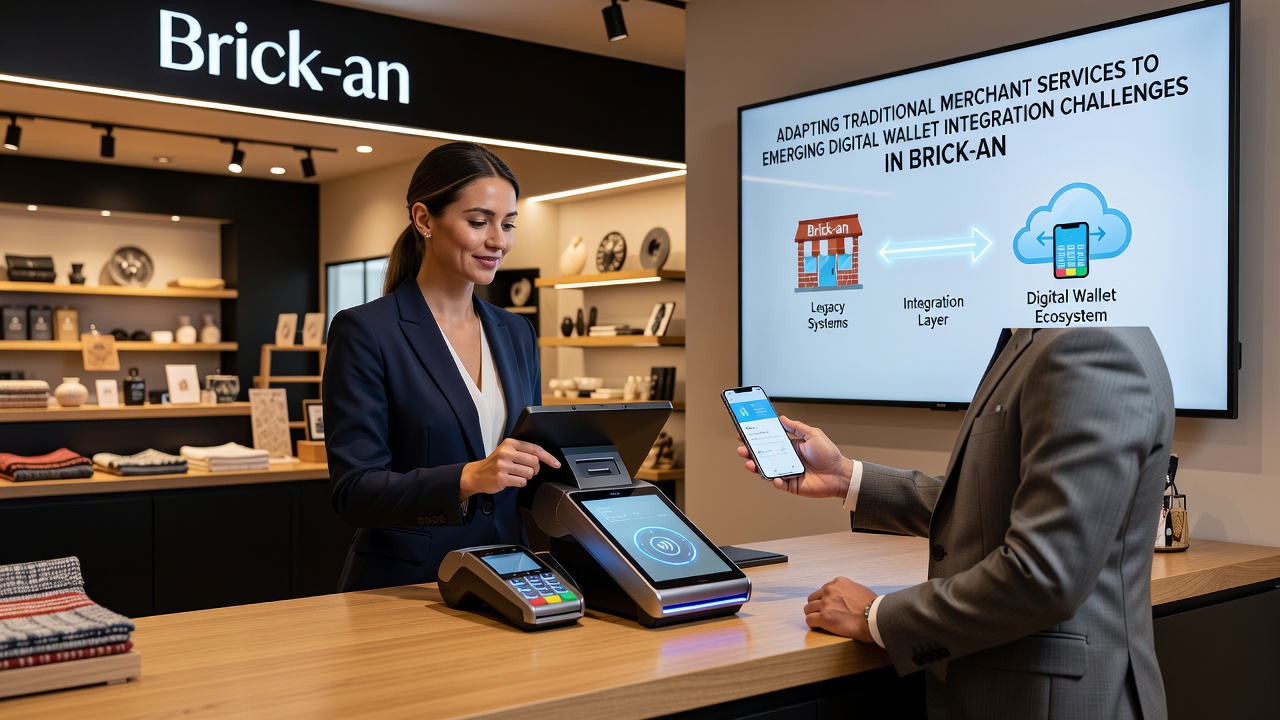
Operational Impacts on Store Workflows
Checkout speeds drop when staff must switch between wallet apps and traditional receipt printers, creating bottlenecks during high-traffic periods. Research indicates that multi-channel retailers in Australia addressed this by deploying unified dashboards that pull data from both wallet APIs and legacy terminals, cutting average transaction time by 19 seconds. Observers note that training programs for employees have expanded to cover wallet troubleshooting steps, since customers often arrive with questions about failed taps or authentication prompts. The reality is that inventory systems tied to older merchant services sometimes lag in updating stock levels after wallet sales, because data packets arrive in different formats than card-based entries. One study revealed that chains addressing these workflow mismatches through middleware solutions achieved consistent reporting across channels without replacing every terminal at once.
Regulatory and Standardization Developments
Global payment networks have pushed interoperability standards forward, yet adoption varies by region. Figures from the Reserve Bank of Australia highlight how local stores navigated new wallet rules in 2026 by aligning with ISO 20022 messaging formats, which eased reconciliation between digital and traditional records. Those who've tracked regulatory shifts note that October 2026 guidance from the U.S. Consumer Financial Protection Bureau emphasized consumer data portability, requiring merchant services to support export functions from wallet transactions. But here's the thing: smaller operators often struggle with the cost of these adaptations, leading some to partner with third-party integrators who specialize in bridging old and new systems. Evidence suggests that stores following phased rollouts avoided major disruptions, allowing gradual testing of wallet features alongside existing card processes.
Case Examples from Retail Chains
Take one mid-sized grocery operator in Canada that linked its legacy terminals to digital wallet gateways through API connectors, resulting in unified transaction logs that simplified end-of-day reporting. Researchers discovered that this approach maintained data consistency across 45 locations without full hardware replacement. There's this case where a European department store group adopted contactless readers that supported both card and wallet inputs, reducing separate device counts at each register. People often find that starting with pilot stores lets teams measure wallet adoption rates before scaling changes network-wide. Data from these implementations shows improved customer throughput when integration addressed both speed and receipt formatting issues simultaneously.
Conclusion
Traditional merchant services continue evolving to meet digital wallet demands through targeted hardware upgrades, software bridges, and updated security layers. Research indicates that stores focusing on incremental compatibility fixes rather than complete overhauls achieve steadier integration outcomes. As standards mature into late 2026, operators gain clearer options for maintaining data flow between legacy terminals and emerging wallet platforms across physical retail settings.