Decoding How Seasonal Tourism Operators Adjust Merchant Account Setups to Handle Fluctuating Interchange Fees During Peak Travel Periods with Blended In-Store and App-Based Sales
Written by Mara Werner · Nov 1, 2026
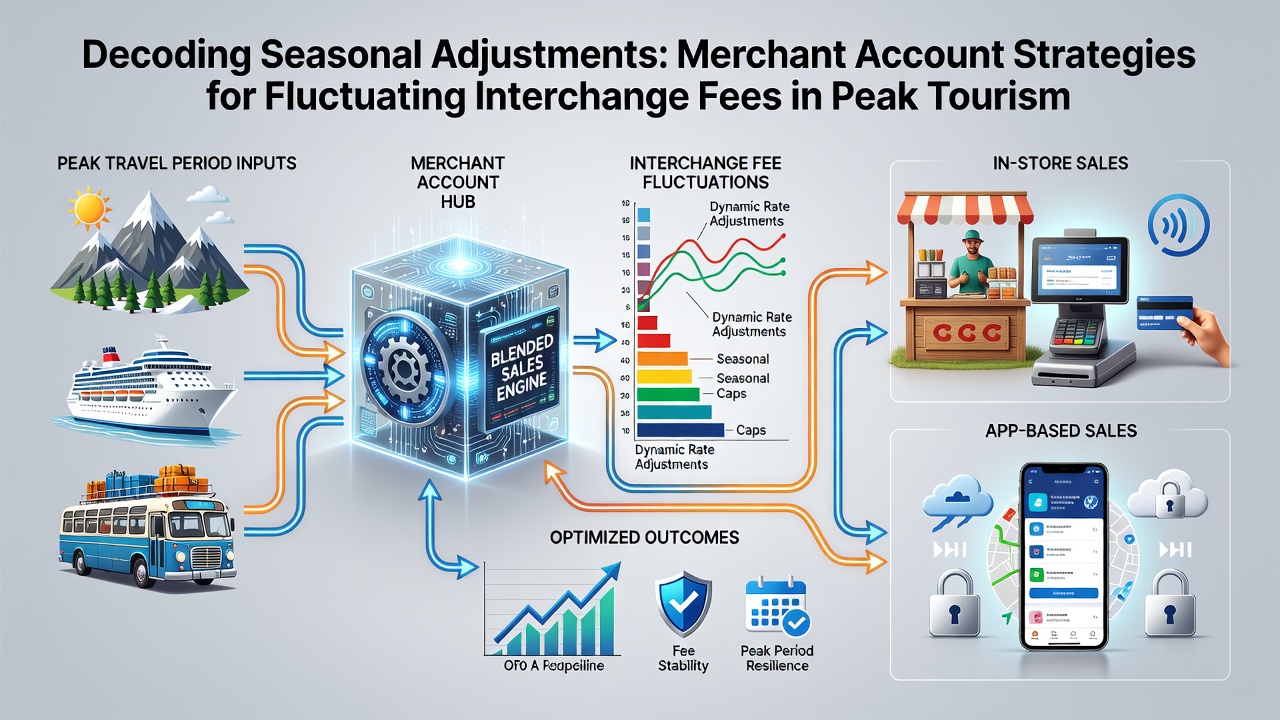
Decoding How Seasonal Tourism Operators Adjust Merchant Account Setups to Handle Fluctuating Interchange Fees During Peak Travel Periods with Blended In-Store and App-Based Sales
Seasonal tourism operators face distinct payment processing demands that intensify when visitor numbers surge and transaction volumes climb, and interchange fees often shift in response to these patterns because card networks adjust rates based on volume, merchant category, and transaction type. Operators who run both physical locations and mobile applications must coordinate merchant accounts across channels so that fees remain predictable even as daily sales swing from quiet off-season levels to high-volume peaks. Data from payment networks shows that interchange rates can vary by several basis points depending on whether a transaction routes through a card-present terminal or an in-app digital wallet, which creates the need for flexible account structures that accommodate both environments without separate processors for each.
Core Mechanics of Interchange Fee Adjustments
Interchange fees represent the portion of each transaction that moves between the card-issuing bank and the acquiring bank, and seasonal operators typically review their merchant account agreements before peak periods begin because networks publish updated fee schedules on fixed calendars. Those who study payment data notice that tourism-related merchant category codes sometimes trigger higher rates during months with concentrated travel activity, while blended operations that combine in-store swipes with app-based bookings can qualify for volume-based discounts if total monthly volume crosses certain thresholds. Operators therefore monitor cumulative transaction counts across both channels to determine whether a single blended merchant account or multiple segmented accounts deliver lower overall costs when November 2026 fee tables take effect.
Blended Sales Channels and Account Configuration
Physical terminals in gift shops or ticket counters generate card-present transactions that usually attract lower interchange than card-not-present entries completed through mobile apps for reservations or advance purchases. Yet many seasonal businesses integrate the two streams into one merchant account so that reconciliation stays centralized and reporting remains consistent for tax and inventory purposes. Payment processors that support hybrid setups allow operators to route in-app sales through the same MID while tagging them differently for fee calculation, and this approach reduces the administrative burden of maintaining separate accounts for each channel. Figures from industry analyses indicate that operators who consolidate channels under one account can capture tiered pricing benefits once combined volume reaches processor-defined breakpoints during summer or winter peaks.
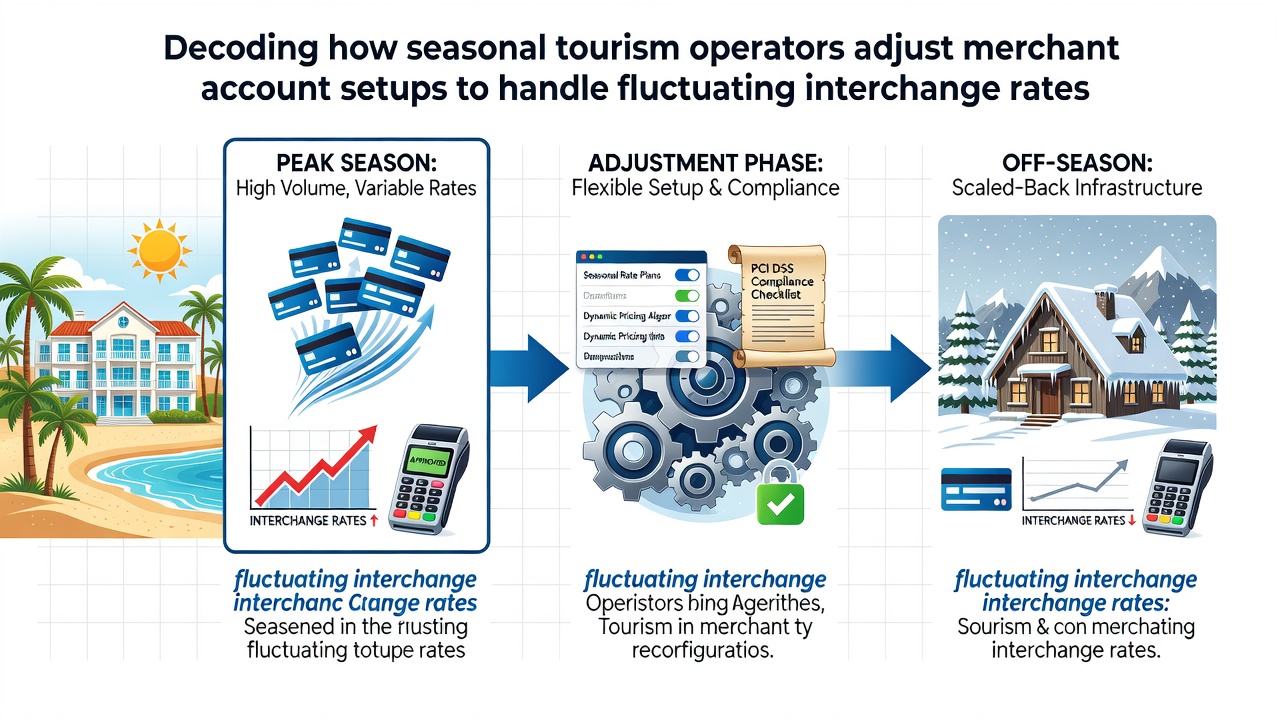
Timing Adjustments Ahead of Peak Seasons
Preparation typically starts several months before visitor surges, and operators request account reviews or rate renegotiations once they project transaction counts from booking trends and historical occupancy data. Some switch from flat-rate pricing to interchange-plus models during high-volume windows because the latter passes through actual network fees plus a fixed markup, which can prove cheaper when average ticket sizes rise and volume discounts apply. Others add secondary merchant accounts that activate only for peak months, allowing the primary account to retain off-season terms while the temporary account handles overflow volume at rates negotiated for short-term use. Research from payment advisory groups shows that such segmented setups help operators avoid rate creep when a single account would otherwise push into a higher interchange tier due to concentrated activity.
Regulatory and Network Influences on Fee Structures
Card networks publish interchange tables that reflect regulatory environments across regions, and operators in areas governed by bodies such as the Federal Reserve or the European Central Bank must track how caps or disclosure rules affect blended tourism transactions. In markets where surcharging remains restricted, operators focus instead on optimizing merchant category codes and transaction routing so that in-store and app sales both qualify for the most favorable available rates. Those who track network updates note that adjustments announced in late 2025 carried forward into 2026, prompting tourism businesses to re-evaluate account setups ahead of the November 2026 cycle when new volume-based incentives became available for seasonal merchants.
Technology Supporting Fee Management
Modern payment gateways provide dashboards that separate interchange components by channel, and operators use these tools to compare costs between card-present and digital transactions in real time. When app sales route through digital wallet providers, additional fees sometimes layer on top of base interchange, which leads some businesses to negotiate bundled pricing that covers both in-store hardware and API connections. Processors that offer dynamic routing can steer transactions toward the lowest-cost network path available at the moment of authorization, and seasonal operators who activate this feature during peak periods report more stable effective rates even as daily volumes fluctuate. Observers note that integration between legacy terminals and cloud-based reporting platforms further supports accurate forecasting of fee exposure before the busiest weeks arrive.
Conclusion
Seasonal tourism operators maintain merchant account flexibility by aligning contract terms with projected volume, blending in-store and app channels under coordinated pricing models, and monitoring network updates that influence interchange schedules. These adjustments allow consistent cost control across fluctuating travel periods while preserving unified reconciliation for mixed sales streams. Data from established payment authorities continues to guide such decisions as operators prepare for cycles that include the November 2026 fee revisions.