How Emerging Interoperability Standards Are Reshaping Data Flow Between Legacy Terminals and Cloud-Based Reconciliation Platforms for Regional Retail Chains
Written by Clara Neumann · Sep 6, 2026
How Emerging Interoperability Standards Are Reshaping Data Flow Between Legacy Terminals and Cloud-Based Reconciliation Platforms for Regional Retail Chains
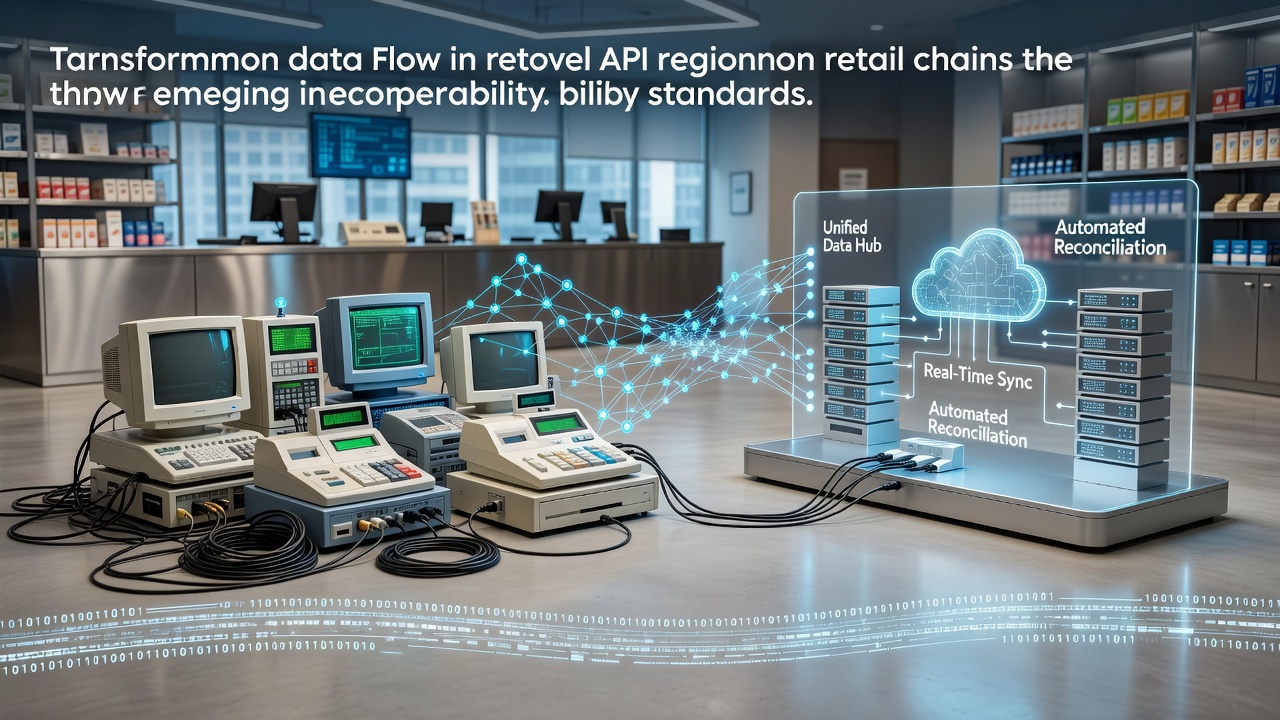
Regional retail chains continue to rely on legacy terminals that process transactions at the point of sale while newer cloud-based reconciliation platforms handle settlement and reporting across multiple locations. Emerging interoperability standards address the gaps that previously required custom middleware or manual data transfers between these systems. Data shows that adoption of protocols such as ISO 20022 and RESTful API specifications has increased the volume of automated exchanges between older hardware and modern cloud environments since 2023.
Legacy Terminals and Their Data Limitations
Many regional chains operate terminals installed five to ten years ago that use proprietary message formats and batch-oriented communication. These devices transmit transaction records in fixed-length files that often require reformatting before they reach central accounting systems. Observers note that without standardized interfaces the daily reconciliation process can involve several hours of staff time spent matching records and correcting discrepancies. Research from industry reports indicates that chains with more than twenty locations experience the highest volume of these manual interventions.
Cloud-Based Reconciliation Platforms
Cloud platforms now aggregate sales data from multiple stores and apply real-time analytics to settlement reports. These systems accept structured data streams that legacy terminals were not originally designed to produce. According to figures from the European Commission on digital payment infrastructure, cloud adoption among mid-sized retailers rose 28 percent between 2022 and 2025. The platforms rely on consistent data schemas so that transaction details arrive with uniform fields for amount, timestamp, and merchant identifier.
Emerging Standards Driving Change
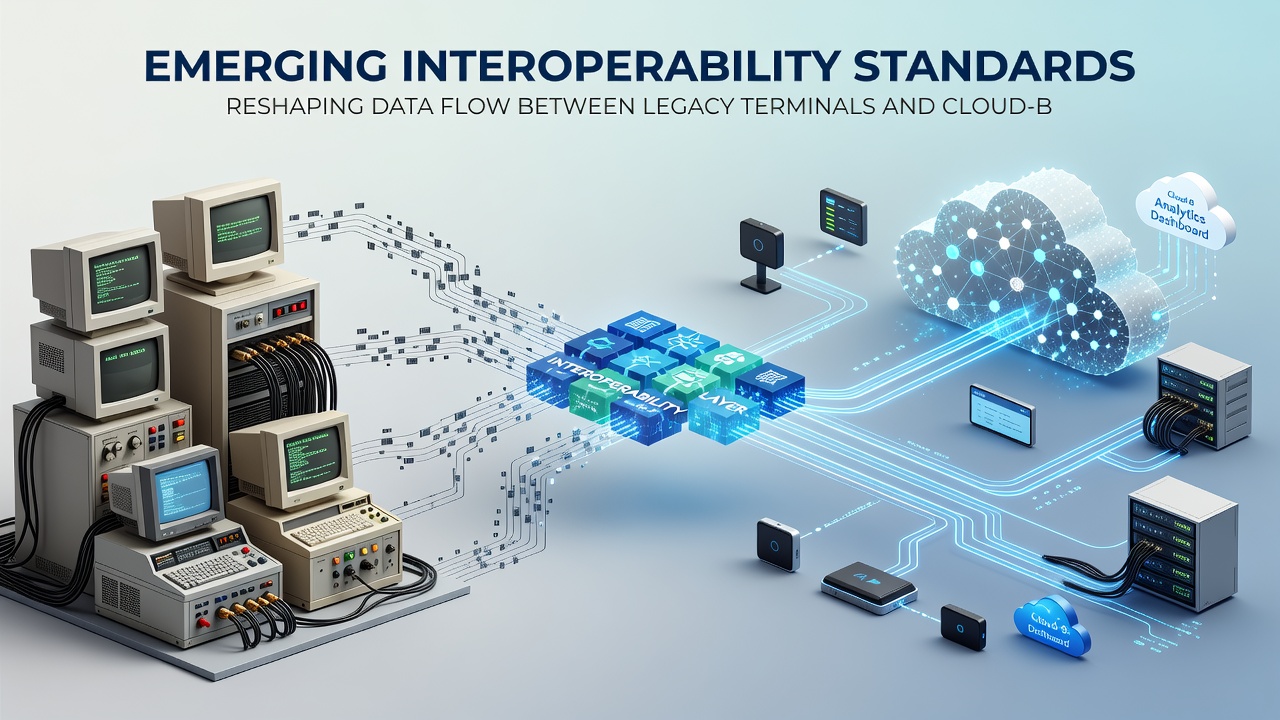
Standards organizations released updated specifications in 2024 that define how legacy devices can encapsulate their output within modern message envelopes. ISO 20022 extensions allow older terminals to wrap batch files inside XML structures that cloud systems parse without additional translation layers. At the same time, the Open Retail Initiative published API guidelines that regional vendors began implementing during the first half of 2025. Those who've studied implementation timelines report that chains completing pilot projects before September 2026 achieved faster integration cycles than those starting later.
One study conducted by a Canadian research consortium examined twelve regional grocery operators and found that standardized APIs reduced data latency from an average of six hours to under fifteen minutes. The same report documented a 34 percent drop in reconciliation errors after the operators updated terminal firmware to support the new message formats. Experts have observed that these gains appear most consistently when vendors coordinate with both terminal manufacturers and cloud providers during the rollout.
Regional Chain Implementation Patterns
Chains operating across state or provincial boundaries encounter additional regulatory requirements that affect data formatting and retention. Australian government guidelines on electronic payment records, for instance, specify audit trails that cloud platforms must preserve for seven years. Interoperability standards help satisfy these rules by embedding required metadata at the terminal level rather than relying on post-processing steps. Retailers in the United States have followed similar patterns when aligning with state-level sales tax reporting mandates.
Take one Midwest U.S. chain that integrated its 2018-era terminals with a cloud platform using the updated ISO specifications. The project mapped each legacy field to the corresponding standard element and tested the flow during a two-week pilot. After full deployment the daily reconciliation window shortened from overnight to same-day completion. Observers note that similar projects succeed when teams document every data field before migration begins.
Technical Mechanisms Enabling the Shift
Gateway devices installed between terminals and network connections now perform on-the-fly translation using the new standards. These gateways receive the older batch format, convert it to ISO 20022 messages, and forward the results to the cloud endpoint. Researchers discovered that this approach preserves the original terminal investment while allowing the cloud system to receive data in its native structure. Data from the National Institute of Standards and Technology indicates that gateway-based translation maintains 99.7 percent message integrity across tested configurations.
Encryption requirements also receive attention under the emerging standards. Protocols specify how terminals sign each message so that cloud platforms can verify origin without maintaining separate certificate stores for every device model. This reduces administrative overhead for chains that manage hundreds of terminals across dispersed locations.
Conclusion
Interoperability standards continue to narrow the functional distance between legacy terminals and cloud reconciliation platforms. Regional retail chains that align firmware and gateway configurations with current specifications report measurable improvements in data transfer speed and accuracy. Continued updates from standards bodies and industry groups are expected to further streamline these connections in the coming years.