Variables Shaping Approval Outcomes in High-Volume Commercial Transaction Systems
Written by Clara Neumann · Sep 20, 2026
Variables Shaping Approval Outcomes in High-Volume Commercial Transaction Systems
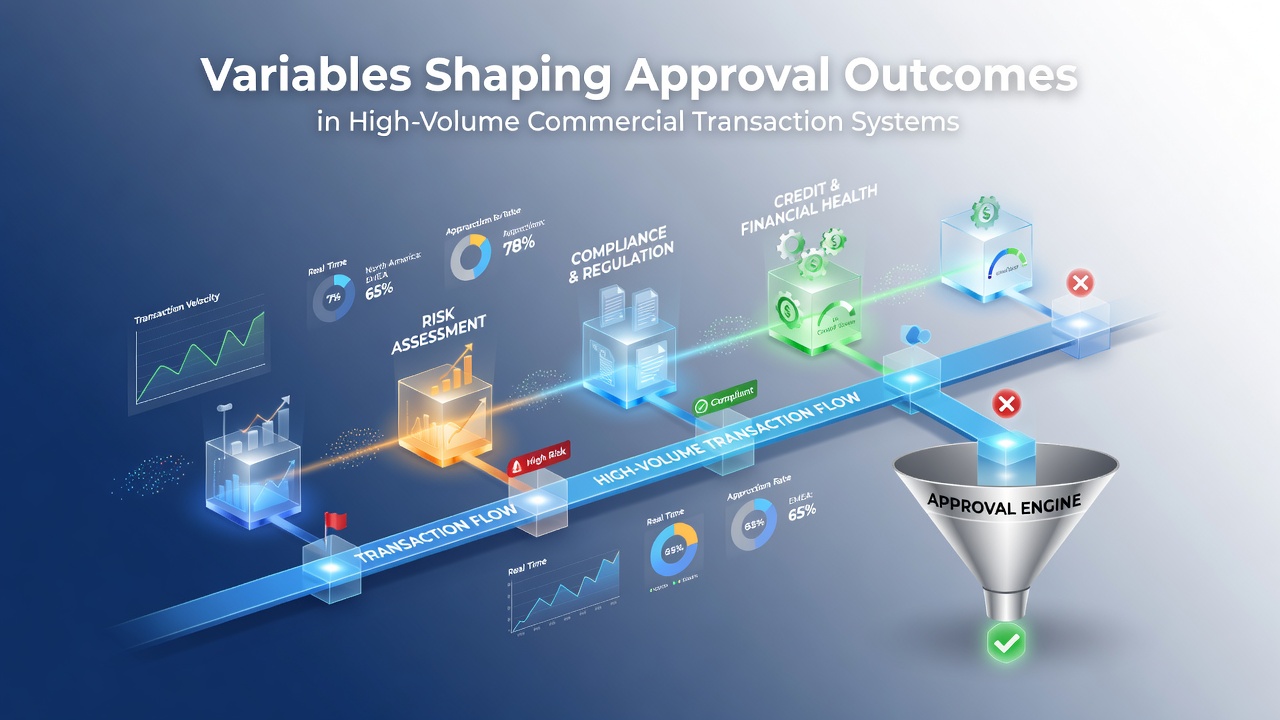
High-volume commercial transaction systems process thousands of payments per minute across retail, wholesale, and e-commerce channels, where approval rates hinge on a combination of real-time data checks and historical patterns that issuers and networks evaluate simultaneously. Observers note that variables such as transaction velocity, merchant category codes, and card verification results interact in milliseconds to determine whether a request receives authorization or declines, with data from the Federal Reserve indicating that even minor shifts in these inputs can alter outcomes by several percentage points during peak periods.
Core Technical Inputs That Drive Initial Screening
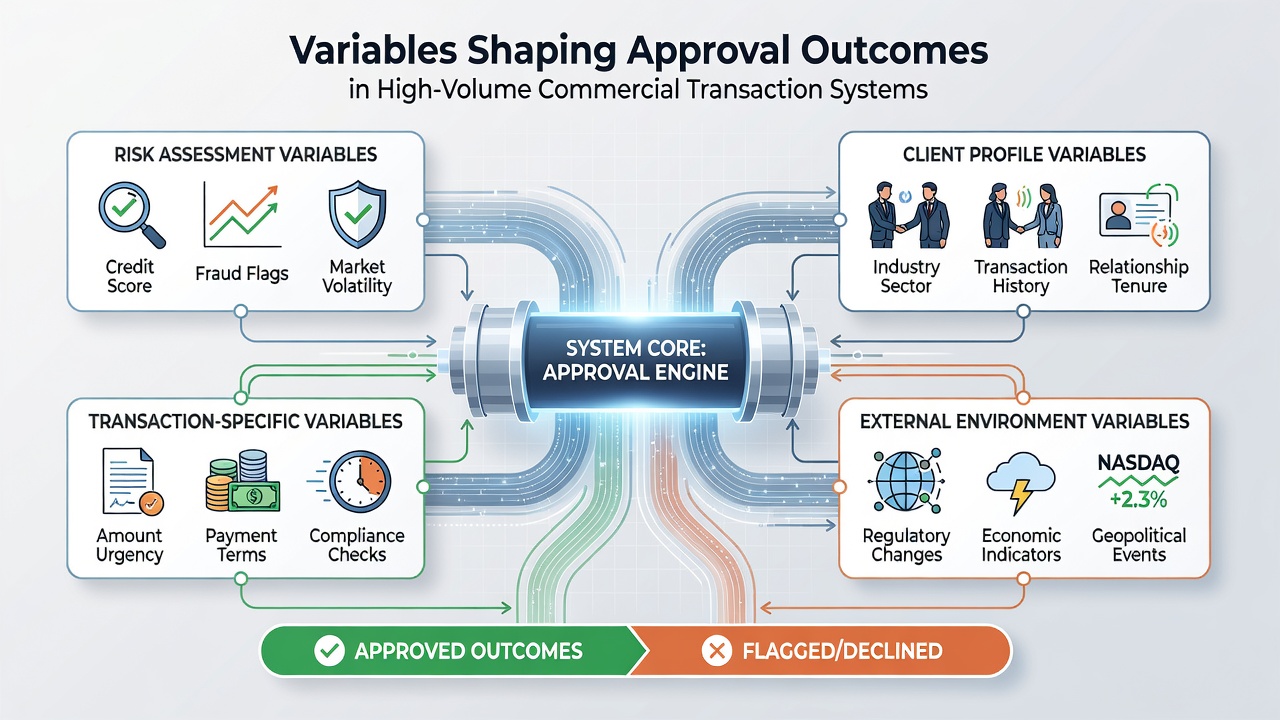
Systems first examine cardholder data elements including primary account number format, expiration date alignment, and address verification service matches, while conjunctions like mismatched CVV entries or incomplete AVS responses trigger immediate flags that reduce approval likelihood. Researchers at payment networks have documented how these automated layers reject up to 15 percent of otherwise valid submissions when data fields contain typographical errors or formatting inconsistencies common in high-speed checkout environments. And because processors route requests through multiple gateways before reaching the issuer, each hop adds latency that can compound if network congestion occurs during September 2026 holiday surges projected by industry models.
Behavioral and Velocity-Based Filters
Approval engines also weigh recent transaction history against established baselines for the account, so sudden spikes in frequency or amount compared to prior 30-day averages prompt additional scrutiny even when all static fields check out correctly. Those who have analyzed large datasets from regional retail chains report that accounts showing clustered activity across different merchant locations experience elevated decline rates until issuers confirm the pattern matches expected consumer behavior. This dynamic check operates alongside device fingerprinting and IP geolocation cross-references that further refine the risk score assigned to each request.
What's interesting is how these velocity rules adapt seasonally, with September 2026 data expected to reflect heightened monitoring around back-to-school spending patterns that differ markedly from summer tourism flows in the same geographic corridors.
Regulatory and Network-Level Constraints
Issuers must comply with regional mandates that add another layer of variables, such as strong customer authentication requirements under European Central Bank guidelines that mandate additional verification for cross-border transactions exceeding certain thresholds. Observers note that these rules interact with domestic card network policies, creating situations where a transaction cleared under one jurisdiction's standards faces secondary review when routed internationally. Data from the Australian Payments Network shows that merchants operating across multiple regulatory zones maintain separate approval profiles to account for these differences, reducing friction that otherwise arises from mismatched compliance signals.
Take one processor handling North American volume who observed that updates to interchange qualification criteria in late 2025 altered approval thresholds for certain high-ticket categories, prompting recalibration of internal scoring models before September 2026 implementations take full effect.
Merchant Profile and Historical Performance Metrics
Each merchant's aggregate chargeback ratio, average ticket size distribution, and refund frequency feed into standing risk ratings that issuers consult during pre-authorization screening, so businesses with elevated dispute histories encounter stricter real-time filters regardless of individual transaction details. Studies from academic research institutions have quantified how a 0.5 percent increase in a merchant's monthly chargeback rate correlates with measurable drops in approval percentages across similar transaction types. Processors therefore track these metrics continuously and adjust underwriting parameters to keep overall portfolio performance within network tolerances.
Environmental and Timing Influences
Time-of-day patterns, regional economic indicators, and even weather-related disruptions in logistics can shift baseline approval probabilities because issuers incorporate macroeconomic signals into their fraud models. For instance, transactions originating from areas experiencing sudden infrastructure outages show higher decline volumes until systems recalibrate for temporary behavioral changes. Those who've examined multi-year datasets find that these external variables create predictable seasonal adjustments that high-volume operators build into their routing logic well in advance.
Conclusion
Approval outcomes in high-volume commercial transaction systems emerge from the simultaneous evaluation of technical data points, behavioral signals, regulatory overlays, merchant history, and external timing factors, each capable of tipping results when thresholds are crossed. Processors that monitor these variables in aggregate maintain higher consistency across channels, while those who study longitudinal trends from sources such as the Federal Reserve and the European Central Bank gain clearer visibility into how adjustments in one area ripple through the entire decision matrix. As September 2026 approaches, continued refinement of these interconnected inputs remains central to sustaining efficient payment flows at scale.